Best Electronics Recycling for Business Recycling
Breaking Down E-Waste: Key Myths and Facts About Recycling
E-waste is a growing concern in today's digital age. Many people hold misconceptions about its recycling. Common beliefs suggest that electronic waste is unrecyclable or that options for disposal are scarce. These false beliefs can obstruct recycling initiatives and intensify ecological damage. Understanding the realities of e-waste management is essential. What are the actual impacts on the environment, and how can individuals contribute to a more sustainable future? Examining these concerns uncovers important findings.
A Guide to E-Waste: What It Is and How to Handle It Responsibly
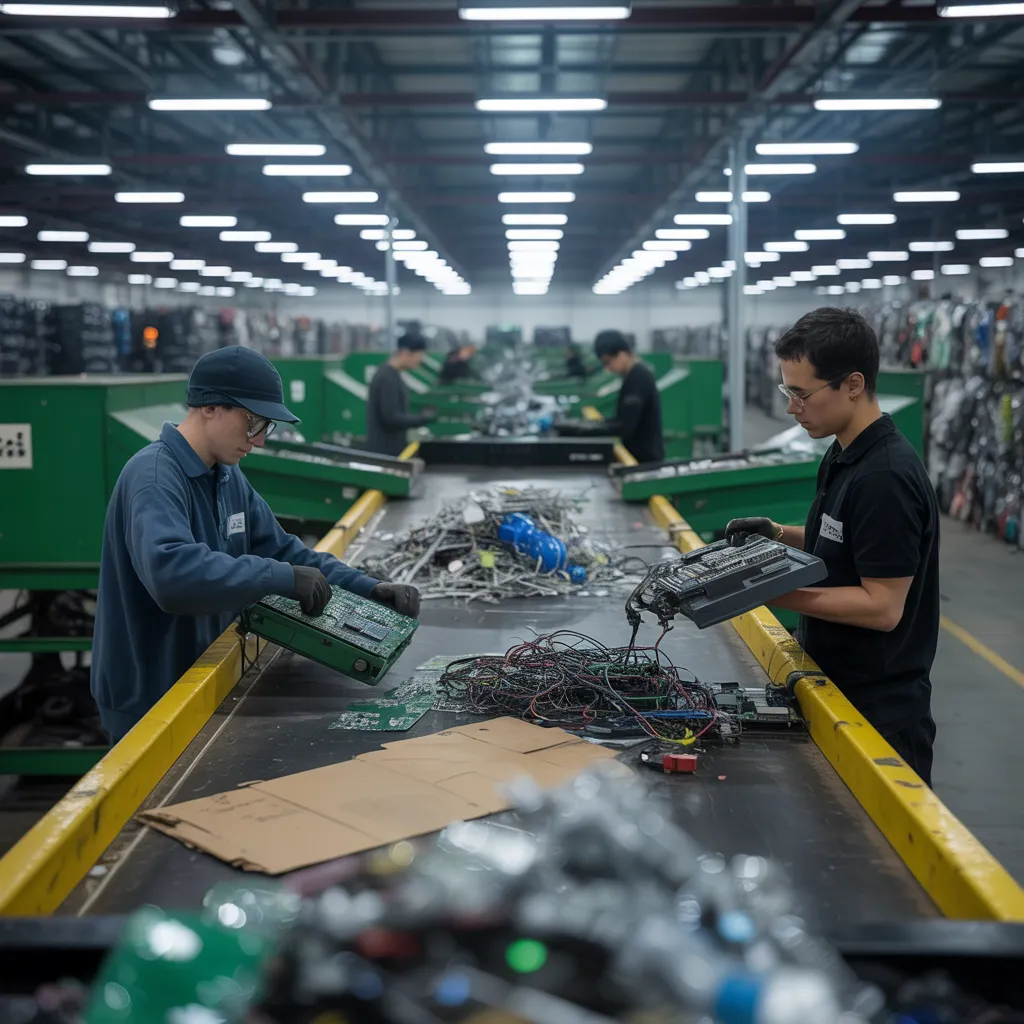
E-waste, also referred to as electronic waste, encompasses unwanted electrical equipment such as computers, mobile phones, and televisions. This category of waste is rapidly increasing due to the fast-paced evolution of technology, resulting in considerable environmental challenges. Numerous electronic products harbor dangerous substances including lead, mercury, and cadmium, that can threaten both human well-being and surrounding ecosystems when handled through improper disposal methods.
Responsible disposal of e-waste involves recycling through certified programs that guarantee safe handling and processing. Numerous local and nationwide organizations provide collection events, drop-off locations, and mail-in recycling services. Customers are urged to seek out certification labels, including R2 or e-Stewards, to ensure their electronic waste is disposed of in a responsible manner. Additionally, offering operational devices for donation can help extend their lifespan while cutting down on waste. By gaining knowledge about e-waste and implementing appropriate disposal techniques, individuals can support a more sustainable future and lessen environmental consequences.
Busting Popular Myths Surrounding E-Waste Recycling
How can common misconceptions about e-waste recycling hinder effective disposal practices? Misconceptions about e-waste recycling frequently result in improper disposal methods, ultimately worsening the situation. A common myth is that all e-waste can be recycled, which may encourage complacency. In reality, not all components can be processed effectively, and some may require specialized handling. Another misconception is that recycling e-waste is too complicated or costly, deterring individuals from participation. In fact, many communities offer accessible and free recycling programs. Moreover, the notion that e-waste merely ends up in landfills diminishes the substantial efforts of recycling organizations dedicated to responsible processing. Such misconceptions not only mislead the public but also obstruct the collective effort required to manage e-waste sustainably. Addressing and debunking these misconceptions is essential for fostering responsible consumer behavior and enhancing the overall effectiveness of e-waste recycling initiatives.
What Is the Environmental Impact of Ignoring E-Waste Recycling
Failing to recycle e-waste creates major risks for the environment. When electronic equipment is thrown away carelessly, hazardous materials such as lead, mercury, and cadmium may contaminate soil and water sources, causing significant ecological contamination. Such dangerous compounds threaten the health of both animals and people, undermining ecosystems and tainting food chains.
Additionally, the accumulation of e-waste in landfills accelerates the erosion of natural resources. Precious metals and materials that might otherwise be recovered and repurposed are squandered, elevating the demand for new mining operations, which further harms the environment. Moreover, the carbon footprint linked to manufacturing new electronics is intensified, as raw materials are mined and refined.
The Right Approach to Recycling Your Old Electronics
In the context of managing unwanted electronic equipment, people have a number of practical choices available. Community-based recycling initiatives often provide secure methods for disposal, confirming that resources are managed in a sustainable way. Furthermore, charitable giving of working electronics can maximize their usefulness while benefiting those in need.
Area Recycling Schemes
Numerous communities currently provide neighborhood recycling efforts created exclusively for the proper discarding of aging electronic devices. Such initiatives are focused on reducing e-waste by providing accessible drop-off locations and planned pickup events. Residents can often find guidelines on acceptable items, making certain that harmful substances are responsibly controlled. Community recycling programs often collaborate with licensed e-waste disposal specialists, who comply with ecological guidelines to retrieve precious materials and properly handle toxic components. A number of programs further include benefits, including reduced pricing on replacement devices, to motivate resident engagement. By utilizing these local resources, residents can support ecological preservation while guaranteeing their outdated equipment is processed safely and efficiently. Knowledge of these resources is vital for accountable e-waste disposal.
Donation Choices Available
Local recycling programs not only provide a means for proper disposal but also create opportunities for donating old electronics. Numerous organizations welcome working devices, including computers, smartphones, and tablets, which can be redirected for educational or philanthropic purposes. Schools, non-profits, and community centers often welcome such donations, ensuring that valuable technology reaches those in need. Moreover, select manufacturers and retailers run trade-in schemes, permitting individuals to exchange aging devices for store credit, which supports sustainable consumption. It is essential to research local options and verify that the receiving organization follows responsible recycling practices. By choosing to donate over throwing away, individuals can lengthen the lifespan of electronic devices while fulfilling their community's technological demands.
The Ways E-Waste Recycling Helps You and the Environment
Though frequently underappreciated, e-waste recycling delivers considerable value for both people and the planet. By correctly processing e-waste, individuals can ensure that valuable materials, such as alloys and polymers, are extracted and reintegrated, minimizing the demand for raw material extraction. This not only safeguards environmental resources but also decreases environmental damage associated with mining and manufacturing processes.
Additionally, recycling e-waste works to prevent dangerous chemicals, particularly lead, mercury, and similar toxins, from polluting groundwater and soil reserves. Through keeping e-waste out of landfills, communities can mitigate potential health risks to humans and animals alike.
Additionally, taking part in e-waste recycling may produce economic opportunities, as the recycling industry creates employment and revitalizes regional economies. In the end, effective e-waste recycling encourages a greener tomorrow, supporting individual well-being, the natural world, and the economy in equal measure. Understanding these benefits can motivate more community members to engage in e-waste recycling programs.
Finding Local E-Waste Recycling Programs Near You
How do people go about finding e-waste recycling programs in their community? A variety of resources are available to assist in this endeavor. Municipal governments frequently operate websites that feature approved recycling centers. These sites typically include details on accepted materials and any associated fees. In addition, organizations such as Earth911 provide searchable databases, allowing users to find nearby e-waste drop-off locations by entering their zip codes.
Municipal initiatives, such as electronics recycling days, are frequently organized by municipalities or non-profits, providing accessible solutions for environmentally sound disposal. Electronics retailers may also take part in recycling programs, taking in unused equipment for proper processing. Furthermore, government environmental bodies often extend assistance on e-waste management and can direct individuals to reputable waste management services. By leveraging these available tools, consumers can ensure their e-waste is handled in an environmentally responsible manner, contributing to environmental sustainability.
Popular Questions Answered
Can E-Waste Be Repaired Instead of Recycled?
E-waste can frequently be restored as an alternative to recycling, subject to how well the device is functioning and whether parts are accessible. Repairing increases the useful life of the device and minimizes the environmental footprint, serving as a green substitute for standard recycling practices.
What Kinds of Electronics Fall Under the Category of E-Waste?
E-scrap includes disposed electronic devices such as computers, smartphones, tablets, televisions, printers, and appliances. These devices often contain harmful substances, making it essential to properly dispose of and recycle them to safeguard the environment and public health.
Do Any Legal Regulations Exist for E-Waste Disposal?
Indeed, there are legal regulations controlling e-waste disposal. Several countries and regions implement legal measures to secure proper recycling and disposal, aiming to minimize Reach out environmental impact and support responsible administration of e-waste through established standards and guidelines.
What Are the Safe Ways to Store E-Waste Prior to Recycling?
To safely store e-waste before recycling, people should store their devices in a cool, dry location, ensure all power sources are disconnected, and utilize durable containers to avoid damage. Label items clearly to guarantee proper disposal later.
What Certifications Should I Look for in E-Waste Recyclers?
When selecting electronic waste recyclers, individuals should look for credentials such as R2 (Responsible Recycling Certification), e-Stewards, and ISO 14001. These certifications ensure adherence to environmental standards and responsible handling of electronic waste throughout the recycling process.